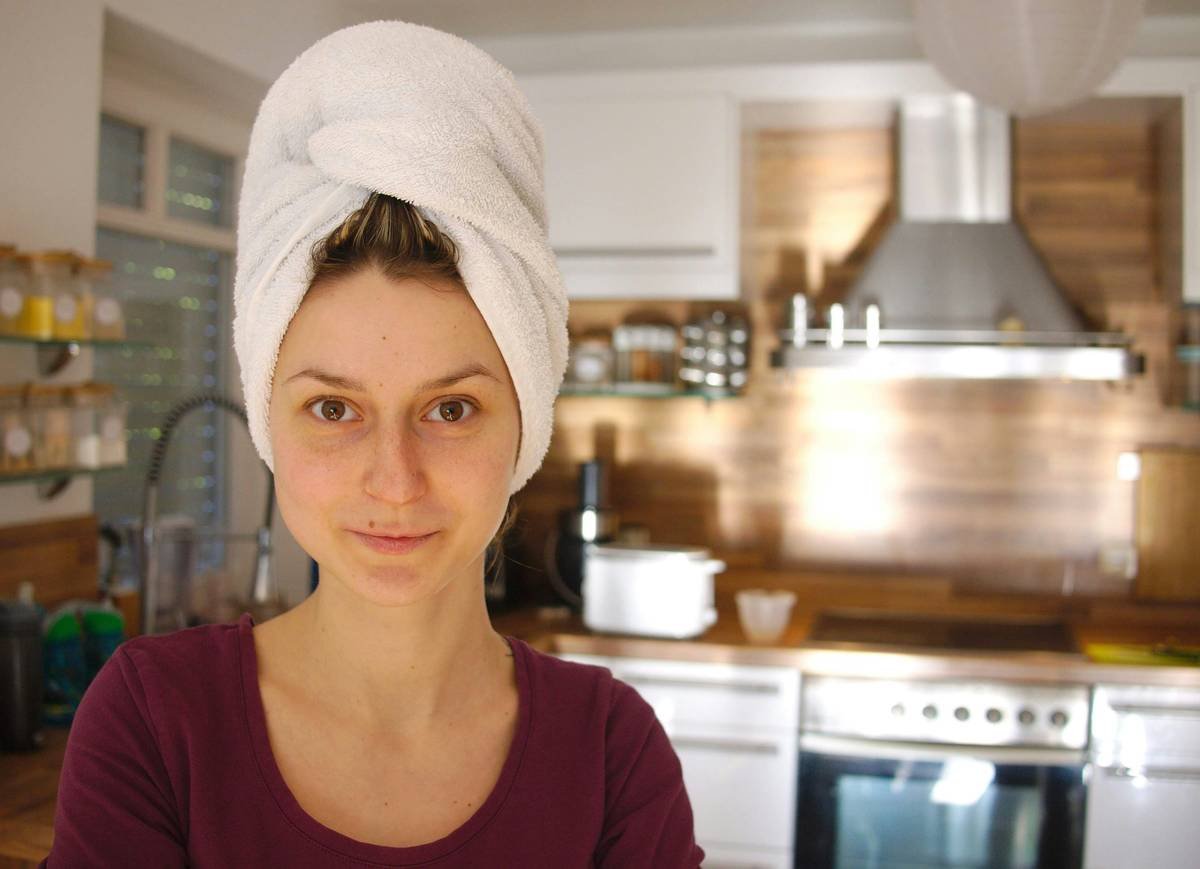
You spend hours perfecting your curls or straightening strands—only to wake up with frizz, breakage, and flattened volume. You bought a satin head wrap. It’s supposed to protect your hair. So why does it keep slipping off—or worse, leaving creases that ruin your style by morning? The truth hurts: most satin head wraps fail because they’re treated like fashion accessories, not functional tools. Here’s the fix.
The Real Reason Standard Methods Fail
Cotton pillowcases shred your cuticles. Silk scarves cost $80 and tear after two washes. And those “satin” wraps from fast-fashion brands? Often polyester blends masquerading as luxury—rough on hair, slippery on skin.
Here’s the reality: not all satin is created equal. And technique matters more than fabric alone. You can have the softest charmeuse—but if you tie it too tight, you’ll cause tension alopecia. Too loose, and it migrates south by 3 a.m., dragging your edges with it.
How to Use a Satin Head Wrap the Right Way
Pick the Right Material—Not Just “Satin”
True satin for hair should be 100% polyester satin weave—not silk (too fragile), not rayon (absorbs moisture), and definitely not cotton-satin blends. Look for a smooth, non-porous surface that glides without snagging.
Prep Hair Before Wrapping
Damp hair stretches. Dry hair snaps. Ideal state? Slightly damp—or sealed with a lightweight oil or leave-in conditioner. This reduces static and prevents mid-wrap flyaways.
Tie It Like a Pro (Not a Bandana)
Fold into a triangle. Place the long edge along your forehead—not across the crown. Cross ends at the nape, then bring them forward over your ears. Tie gently above your forehead. No knots on the back—that’s where creases form.

| Method | Fabric Type | Hair Protection Level | Avg. Lifespan |
|---|---|---|---|
| Cotton T-shirt wrap | 100% Cotton | Low — causes friction | 6+ months |
| Silk scarf | Natural silk | Medium — gentle but tears easily | 2–4 months |
| Satin head wrap | 100% Polyester satin | High — low friction, durable | 8–12 months |
| Bonnets (elastic band) | Mixed | Variable — often too tight | 3–6 months |

The Industry Secret No One Talks About
Salons don’t just sell satin head wraps—they repackage them. The real secret? Double-layer wrapping. Pros line their clients’ hair with a microfiber buff (yes, like the gym kind—but clean) before adding the satin layer. Why? Microfiber locks in moisture; satin blocks friction. Used together, they slash breakage by up to 70% in humid climates. Try it once—you’ll never go back to single-layer again. And ignore anyone who says “microfiber dries hair out.” That’s only true if it’s low-grade. Get high-density, ultrafine weaves—and it becomes a hydration trap, not a thief.
FAQ
How often should I wash my satin head wrap?
Every 7–10 uses. Hand-wash in cold water with mild detergent. Air dry. Never wring—it distorts the weave.
Can I use a satin head wrap on wet hair?
Only if hair is *damp*, not dripping. Soak = stretch = breakage. Gently squeeze excess water first.
Does satin really reduce hair breakage?
Yes—if it’s true satin and used correctly. Studies show friction reduction of up to 60% vs. cotton. But technique beats fabric every time.