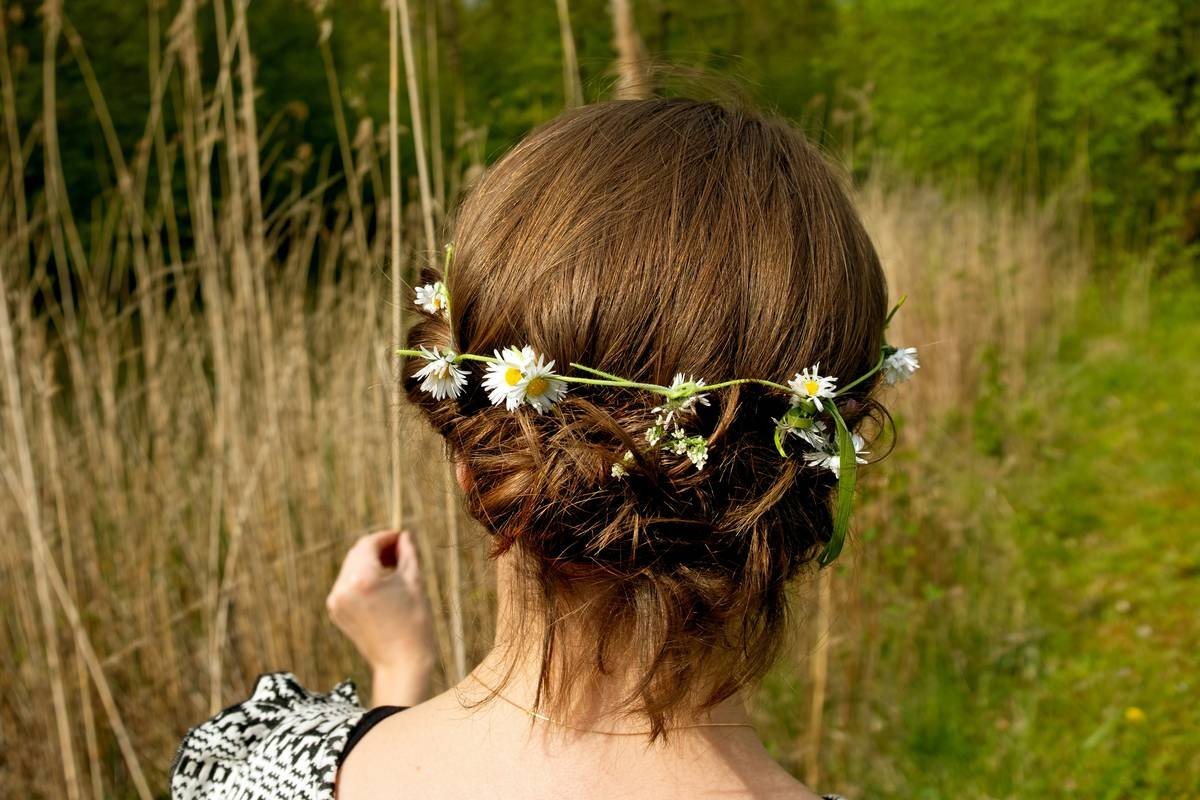
You bought that gorgeous printed scarf. You watched three YouTube tutorials. You twisted, tucked, and pinned until your fingers ached. And by 2 p.m., it’s dangling off one ear like a deflated balloon. The problem isn’t you—it’s the way 99% of guides teach you to wear a boho head covering. They ignore physics, fabric behavior, and the brutal truth: style without structure collapses.
Why Standard Scarf Tying Fails (Every Single Time)
Most “easy boho head wrap” videos assume your hair has volume, your scarf is silk, and wind doesn’t exist. Reality check: cotton scarves stretch. Fine hair slides. Humidity wrecks knots. And those “secure” tucks? They rely on friction that vanishes the moment you turn your head.
And here’s what no influencer tells you—most vintage-inspired hair scarves are cut too small for modern head shapes. You’re fighting geometry, not just gravity.
How to Wear a Boho Head Covering That Stays Put All Day
Forget “just tie it tighter.” Real staying power comes from anchoring, layering, and choosing the right textile. Follow this field-tested method:
Step 1: Prep Your Base Like a Pro
Start with day-old hair—it’s got more grip. Lightly backcomb the crown if you have fine strands. Apply a matte texturizing spray, not oil. Slippery = surrender.
Step 2: Choose the Right Fabric & Size
A true boho head covering needs drape *and* grip. Avoid rayon blends—they slide. Opt for lightweight cotton, viscose twill, or deadstock silk no wider than 30 inches. Bigger isn’t better; it adds weight that pulls downward.
Step 3: Anchor Before You Wrap
This is the game-changer: place two crisscrossed bobby pins at your temples *before* draping the scarf. They act as anchor points so the fabric locks in place instead of migrating backward.
Step 4: The Double-Knot Technique
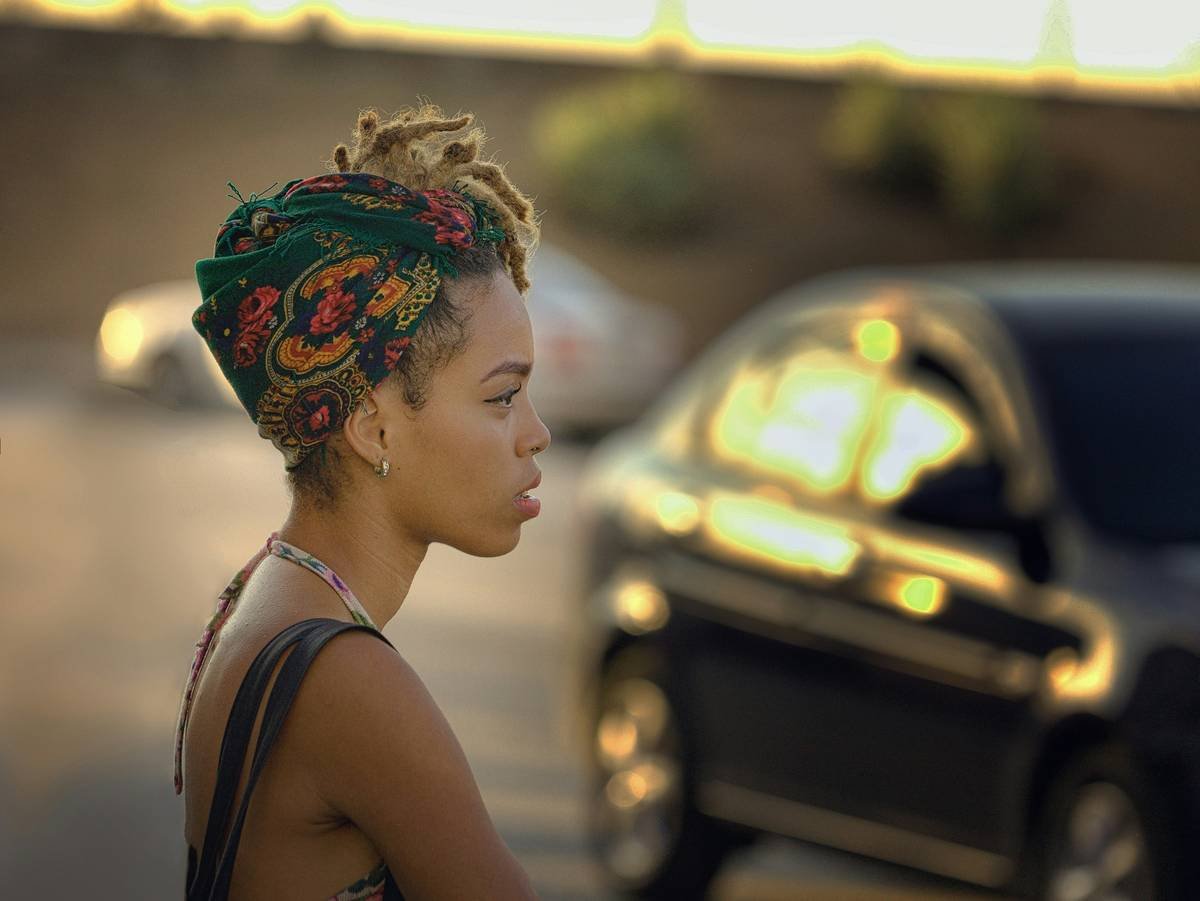
Fold the scarf into a triangle. Place the long edge across your forehead. Tie once at the nape—but don’t stop. Flip the knot upward, then tie a second time *through* the first loop. This creates a self-tightening lock that resists loosening with movement.
| Method | Hold Duration | Fabric Compatibility | Visibility of Pins |
|---|---|---|---|
| Single Overhand Knot | 1–2 hours | Silk only | None |
| Classic Wrap + Tuck | 2–3 hours | Cotton, linen | Minimal |
| Double-Knot + Anchor Pins | 8+ hours | All fabrics | Hidden under fabric |
The Industry Secret: Scarves Are Meant to Be Layered—Not Worn Alone
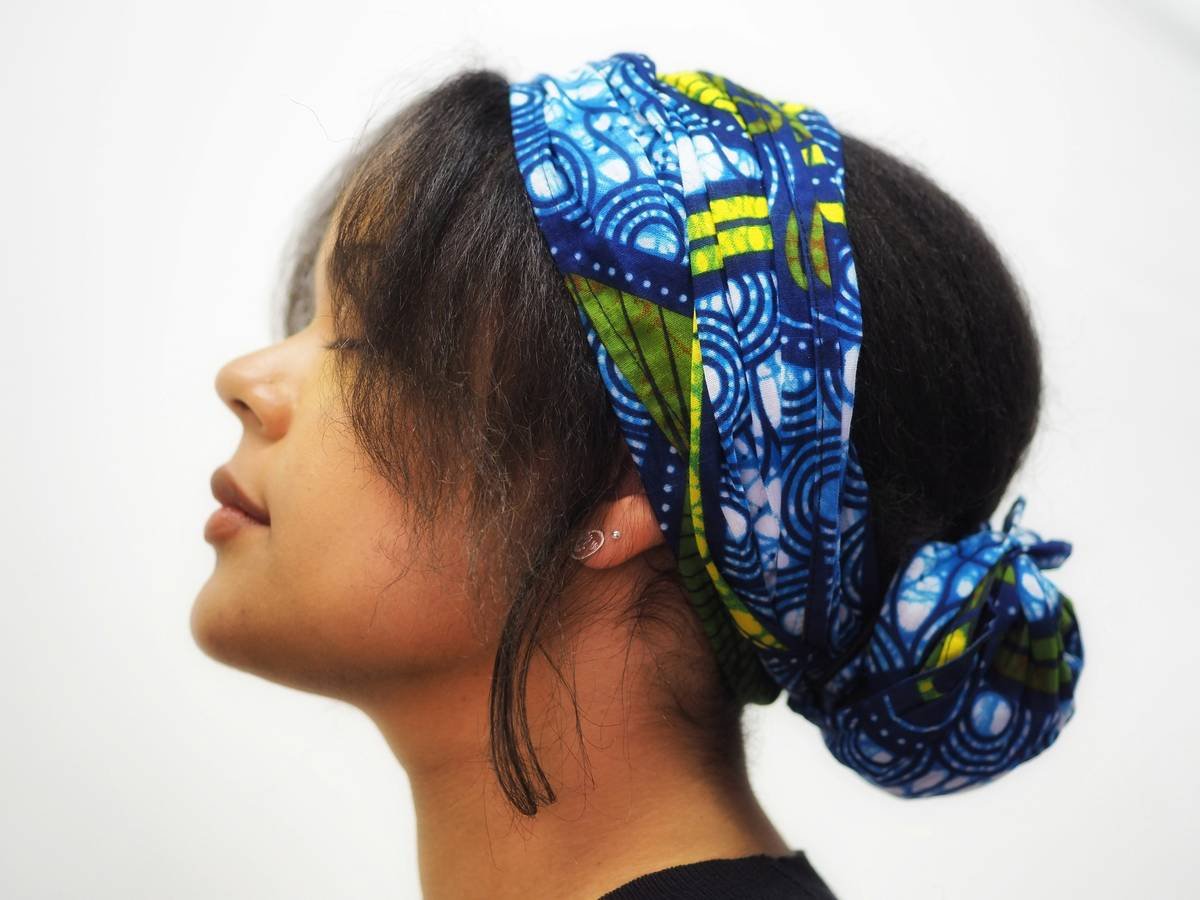
Here’s what boutique stylists won’t admit: a standalone scarf rarely works for all-day wear. The real trick? Layer it over a thin, neutral-toned mesh snood or a wide, flat headband disguised under the fabric. This hidden base absorbs scalp oil, prevents slippage, and gives the scarf something to cling to. Think of it like primer before foundation—it’s invisible but essential. I once styled a client for Coachella using a $3 lace-trimmed snood under her vintage Hermès square. She danced in 100°F heat—and not a thread moved.
Frequently Asked Questions
Can I wear a boho head covering with short hair?
Absolutely. Use mini claw clips behind the ears to secure loose ends. Short hair actually grips better—less weight pulling down.
How do I stop my scarf from fraying at the edges?
Run a quick zigzag stitch or use clear nail polish on raw edges. Better yet—buy scarves with rolled hems; they last longer.
Are boho head coverings culturally appropriate for everyone?
Yes, when worn as fashion—not costume. Avoid sacred patterns (like certain Indigenous prints). Stick to abstract florals, geometrics, or solid dyes.