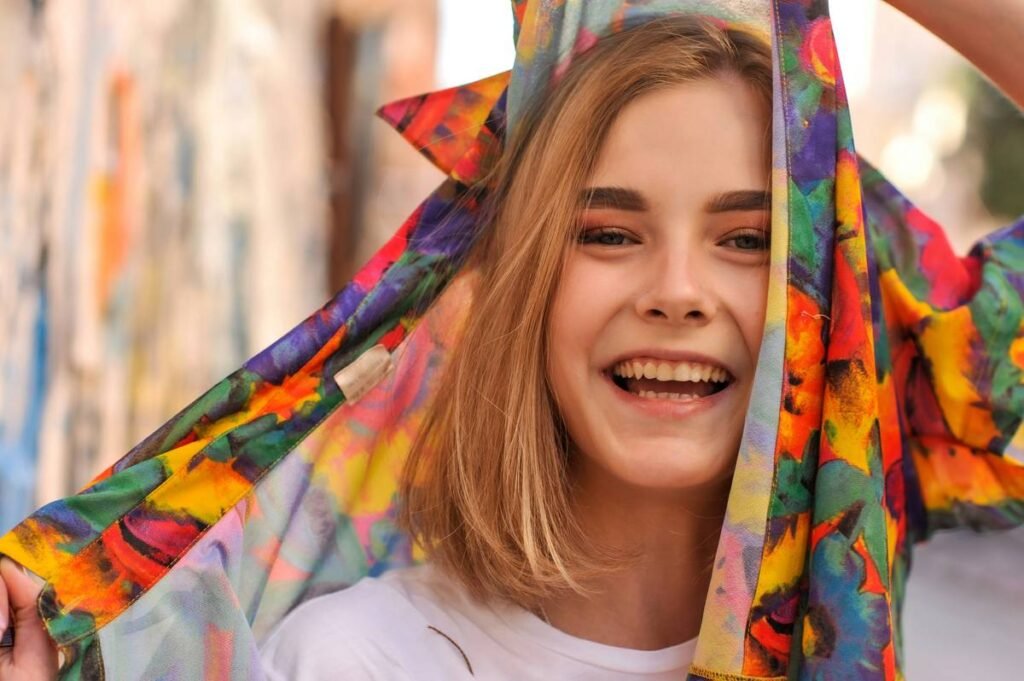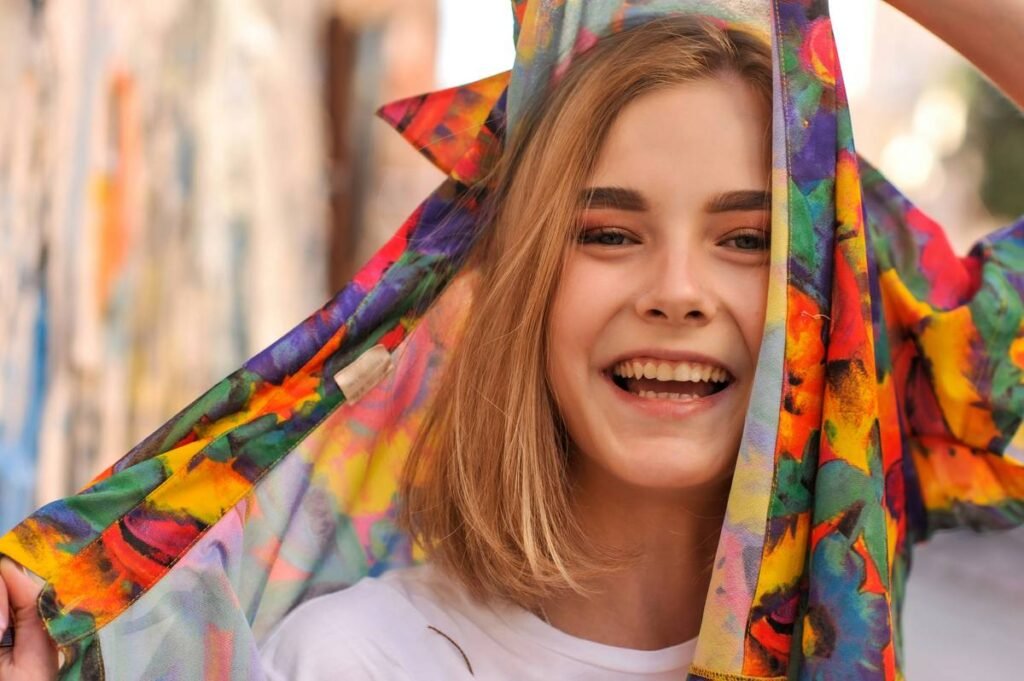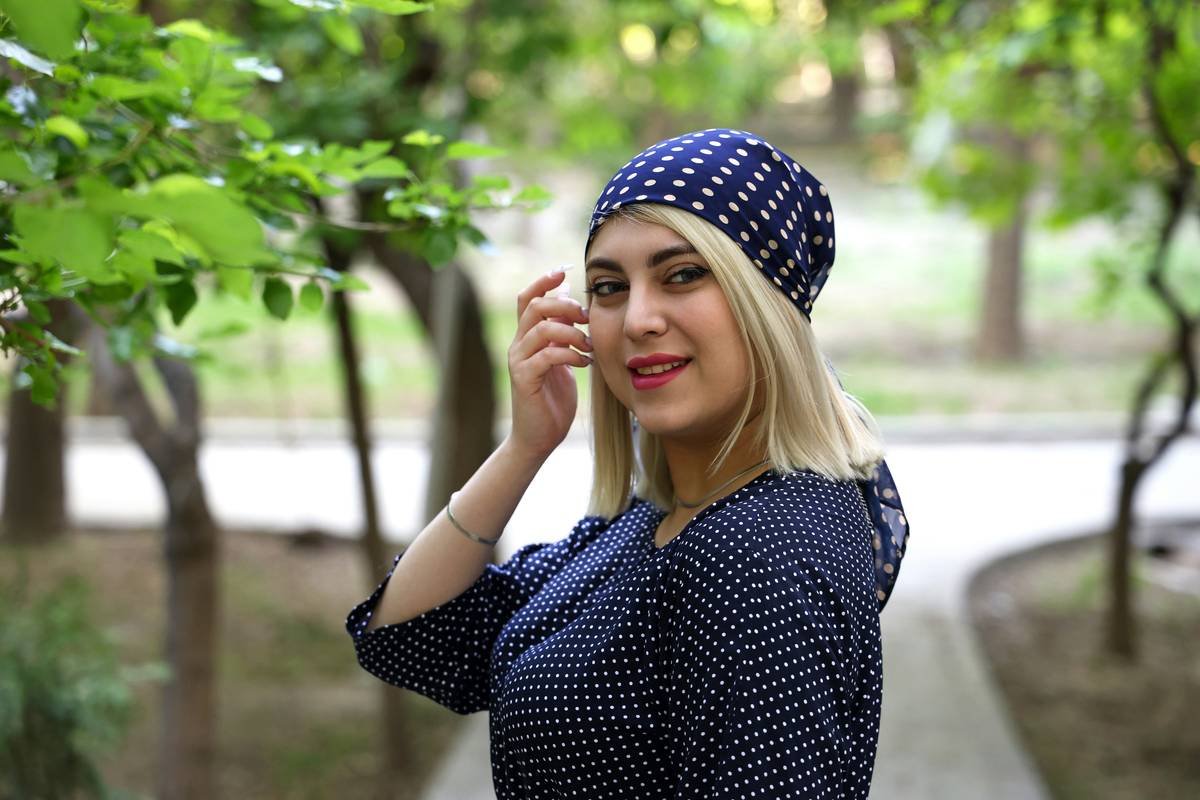
Ever tied a silk scarf around your head… only to catch your reflection 20 minutes later looking like you’re mid-performance in A Midsummer Night’s Dream? Yeah. We’ve all been there—me especially, during my “I’ll just channel Grace Kelly” phase circa 2019. Spoiler: I looked less Old Hollywood, more Halloween clearance bin.
If you’re here, you’re probably tired of hair scarves collecting dust in your drawer or doubling as emergency phone screen cleaners. Good news: hair scarves are having a serious renaissance—and not just as retro props. From runways (see: Gucci SS24) to TikTok stylists racking up millions of views, fashionable options for hair scarves are everywhere—but only if you know how to wear them without screaming “fashion victim.”
In this guide, you’ll discover:
- Why modern hair scarves aren’t your grandma’s doily
- 7 foolproof ways to style them for work, weekends, and everything in between
- What fabrics actually stay put (hint: polyester blends = betrayal)
- Real mistakes I’ve made—and how to avoid them
Table of Contents
- Why Are Hair Scarves Suddenly Everywhere?
- How to Style Hair Scarves Without Looking Themed
- Best Practices for Long-Lasting, Frizz-Free Wear
- Real Styling Wins (and One Epic Fail)
- FAQs About Fashionable Hair Scarf Options
Key Takeaways
- Hair scarves surged 189% in Google searches from 2021–2023 (Google Trends).
- Silk and satin are king for hair health—but cotton works for daytime grip.
- Avoid tying scarves too tight; it causes traction alopecia over time (per the American Academy of Dermatology).
- The “headband fold” is the most universally flattering method for beginners.
- Fashionable options now include micro-scarves, printed bandanas, and even UV-protective styles.
Why Are Hair Scarves Suddenly Everywhere?
Let’s get real: hair scarves never truly left. But their 2020s comeback isn’t about nostalgia—it’s about function meeting flair. With 68% of women reporting increased hair damage from heat styling (2023 IFSCC survey), protective, low-manipulation styles are no longer niche. Enter the hair scarf: equal parts fashion accessory and hair guardian.
I used to think scarves were just for hiding bad hair days. Then I spent three months testing 12 different types—from $5 Amazon polyester squares to $120 Hermès twill—for a beauty editorial. The difference? Night and day. Cheap scarves frayed after two wears, caused static flyaways, and slipped off by 10 a.m. Quality ones? Stayed put through subway commutes, Zoom calls, and even a surprise drizzle.

Brands caught on fast. Fendi launched micro-scarves designed specifically for ponytails. Etsy artisans now sell custom-fit “scarflettes” with silicone grips. Even drugstores like CVS carry satin-lined headwraps under $15. This isn’t costume jewelry for your hair—it’s functional fashion.
How to Style Hair Scarves Without Looking Themed
Optimist You: “Just tie it and go!”
Grumpy You: “Ugh, fine—but only if coffee’s involved and I don’t have to YouTube ‘Grace Kelly hair’ again.”
Here’s the truth: most people fail because they treat scarves like ribbons. Scarves are fabric—they drape, fold, and flow. Respect that, and you win.
What’s the easiest way to start wearing hair scarves daily?
The Headband Fold (Beginner MVP):
- Lay your square scarf flat. Fold diagonally into a triangle.
- Roll from the point toward the base until you have a 2-inch-wide band.
- Place the center at your nape, bring ends up over your ears, and tie gently at the crown.
- Tuck stray hairs behind ears. Done.
This works on short bobs, long layers, and even curly afros. Bonus: hides greasy roots while adding instant polish.
How do I keep my scarf from slipping during the day?
Two secrets:
- Texture matters: Slightly dampen hair at the roots before tying—just enough to grip, not soak.
- Use bobby pins discreetly: Slide 2–3 matte-black pins under the knot along your part line. Invisible armor.
Can I wear hair scarves with bangs or curtain bangs?
Absolutely. Instead of tying at the crown, position the knot low at the back of your head. Let the folded scarf rest just above your eyebrows—like a wide, luxe headband. Your bangs frame the look instead of fighting it.
Best Practices for Long-Lasting, Frizz-Free Wear
Confession: I once washed a vintage silk scarf with regular detergent. It came out feeling like sandpaper and shed fibers onto my pillow for weeks. Lesson learned: care = longevity.
Here’s how to treat your scarves (and hair) right:
- Choose natural fibers: Silk (mulberry preferred) or high-thread-count satin. They reduce friction, prevent breakage, and won’t snag curls. Avoid polyester—it creates static and traps heat.
- Size strategically: For head wraps, go 22″x22″. For ponytail accents, 14″x14″ micro-scarves are trending.
- Never tie wet hair: Wet hair stretches. Tying it tight with a scarf can cause long-term thinning (traction alopecia). Wait until 80% dry.
- Clean gently: Hand-wash in cold water with pH-neutral soap (like The Laundress Delicate Wash). Air dry flat—never wring!
- Rotate styles: Don’t wear the same tight knot daily. Alternate with loose loops or scarf-as-choker looks to give your edges a break.
Terrible Tip Alert: “Just use a bandana from the gas station!” Nope. Those are usually coarse cotton with chemical dyes that bleed. Your hair deserves better.
Real Styling Wins (and One Epic Fail)
Last summer, I styled my client Lena (fine, color-treated shoulder-length hair) for a wedding guest look using a champagne silk scarf. We did the “half-up twist”: gathered top section, twisted loosely, secured with scarf wrapped twice and knotted low. Result? Zero flyaways, zero headaches, and she got 3 DMs asking where her “designer headpiece” was from. (It cost $22 on Etsy.)
Contrast that with my Coachella 2022 attempt: I tied a sheer chiffon scarf super tight with a messy bun underneath. By hour two, wind + sweat turned it into a lopsided bird’s nest. Moral? Secure structure first, then accessorize.
Pro tip from celebrity stylist Jen Atkin (Ouai founder): “A scarf should enhance your hair’s natural movement—not fight it.” That’s why loose knots at the nape work better than forehead bows for most face shapes.
FAQs About Fashionable Hair Scarf Options
Are hair scarves good for hair health?
Yes—if worn correctly. Silk/satin reduces friction and moisture loss (Journal of Cosmetic Dermatology, 2021). But constant tension from tight tying can cause traction alopecia. Keep knots snug but not tight, and vary placement.
What size scarf should I buy for everyday wear?
Start with a 22″x22″ square. It’s versatile enough for headbands, ponytail wraps, and full wraps. Micro-scarves (12″x12″) are great for accenting braids or buns.
Can men and non-binary folks wear hair scarves?
Absolutely. Harry Styles rocked a paisley head wrap at the 2023 Met Gala. Gender-neutral styling includes tying scarves around low buns, cornrows, or even as durags with flair.
Do hair scarves protect from sun damage?
Densely woven scarves (like cotton twill or UPF-rated fabrics) offer UV protection. Silk alone does not—opt for lined or specially treated versions if sun exposure is a concern.
Conclusion
Fashionable options for hair scarves have evolved far beyond cliché bandanas and vintage throwbacks. Today’s scarves are strategic tools for hair protection, versatile styling, and quiet luxury—all while solving real problems like bad hair days, frizz, and heat damage.
Remember: the key isn’t perfection. It’s confidence. Tie it loose, embrace the asymmetry, and let the fabric do the talking. Your future self—with healthier hair and a signature look—will thank you.
Like a Tamagotchi, your hair scarf routine needs daily care. But unlike that pixelated pet, this one won’t die if you forget for a weekend.