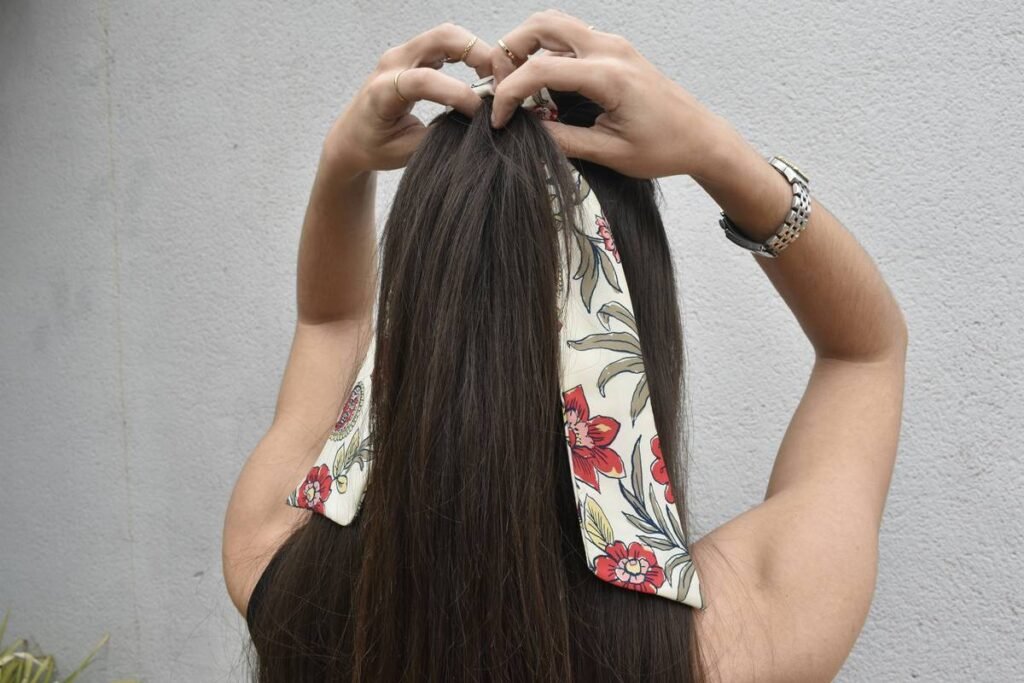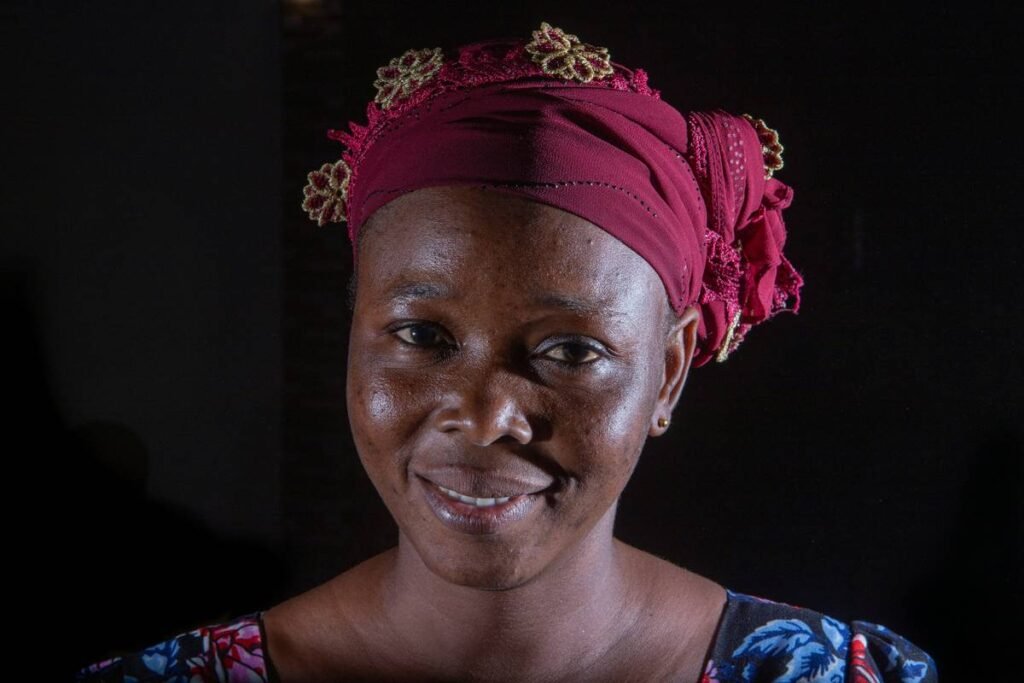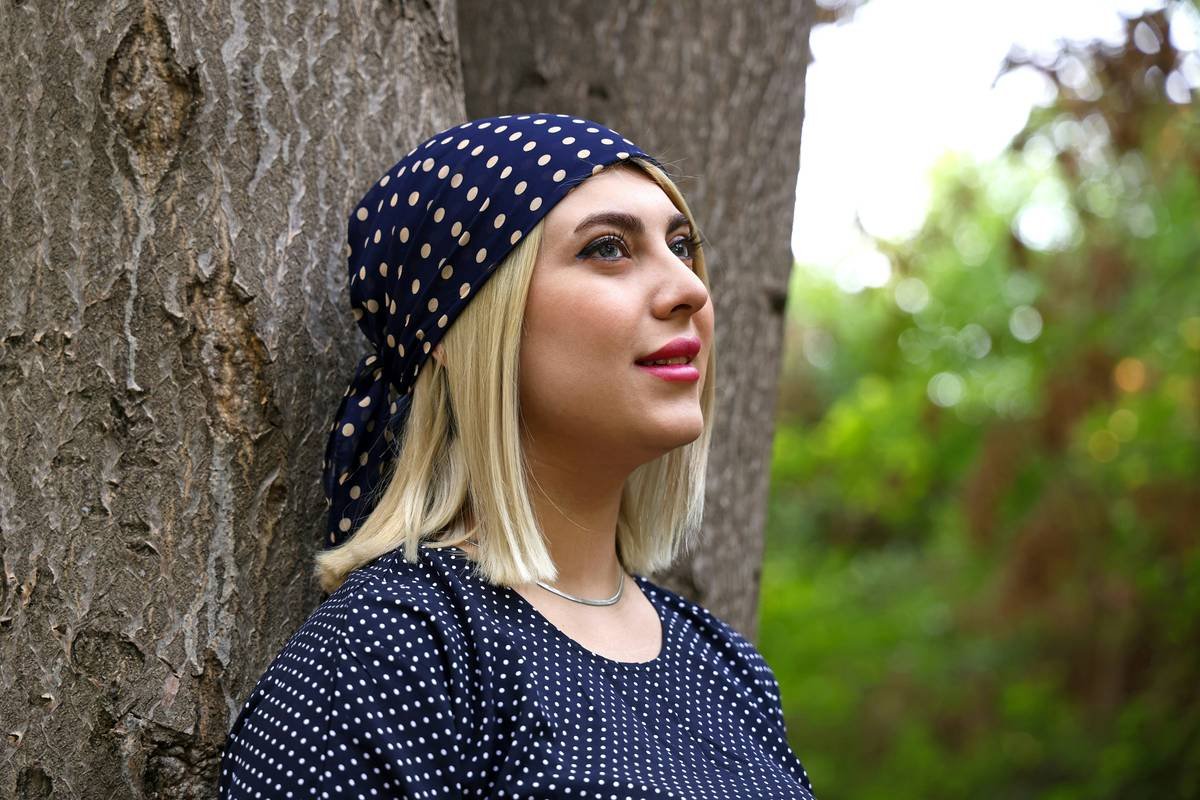
Ever tied a headscarf so tight it left a dent in your forehead by 5 p.m.—or worse, slipped off mid-Zoom call while you were passionately explaining Q3 projections? Yeah, we’ve been there. You’re not just looking for style—you’re after a comfy headscarf that stays put, feels like a second skin, and doesn’t murder your edges.
This post isn’t about flashy fashion runway looks (though we’ll touch on chic styling). It’s a practical, dermatologist-informed, stylist-tested deep dive into how to choose, wear, and love your hair scarves without sacrificing comfort or hair health. You’ll learn: which fabrics won’t trigger scalp irritation, how to tie styles that last all day, why breathability matters more than you think, and what mistakes even seasoned scarf-wearers make.
Table of Contents
- Why Comfort Should Be Non-Negotiable with Hair Scarves
- How to Choose a Truly Comfy Headscarf: 4 Expert-Backed Criteria
- Styling Tips That Keep Your Comfy Headscarf Secure & Stylish
- Real-Life Examples: From Bedhead Rescue to Boardroom Ready
- FAQs About Comfy Headscarves—Answered Honestly
Key Takeaways
- Synthetic fabrics like polyester trap heat and increase friction—opt for natural fibers like silk, satin-lined cotton, or bamboo viscose.
- A truly comfy headscarf should have no elastic bands, minimal seams, and a width of at least 28 inches for flexible tying.
- Loose tension + strategic knot placement = all-day wear without traction alopecia (yes, that’s a real risk).
- Overnight use? Only if lined with smooth satin—cotton terry can cause breakage.
- Color psychology applies: earth tones reduce visual stress; bold prints boost mood (backed by color therapy studies).
Why Comfort Should Be Non-Negotiable with Hair Scarves
Let’s get real: most “fashion-forward” headscarves online are designed for Instagram—not for surviving a 10-hour workday, school drop-off chaos, or even a decent night’s sleep. According to the American Academy of Dermatology, repeated tension from tight headwear is a leading cause of traction alopecia, especially along the hairline (AAD, 2023).
I learned this the hard way. Two years ago, I wore a cute but stiff polyester scarf daily for a client photoshoot series. By week three, I had red bumps along my temples and baby hairs snapping like overcooked spaghetti. My trichologist friend took one look and said: “Girl, your scalp’s screaming. Switch to mulberry silk or satin lining—stat.”
Comfort isn’t just about softness—it’s about breathability, low friction, and pressure distribution. A well-designed comfy headscarf supports hair retention, reduces frizz (thanks to smooth fibers), and even helps maintain moisture balance.
How to Choose a Truly Comfy Headscarf: 4 Expert-Backed Criteria
What fabric actually feels good—and won’t wreck your hair?
Optimist You: “Silk is king!”
Grumpy You: “Ugh, fine—but only if it’s real mulberry silk, not that $8 ‘silk-feel’ polyester garbage from fast fashion sites.”
True comfort starts with fiber choice:
- Mulberry silk (Grade 6A): Hypoallergenic, temperature-regulating, and proven to reduce hair breakage. Bonus: it doesn’t absorb your leave-in conditioner.
- Bamboo viscose: Eco-friendly, breathable, and naturally antimicrobial—ideal for sensitive scalps.
- Satin-lined cotton: A budget-friendly hybrid that offers cotton’s absorbency with satin’s slip.
- Avoid: Polyester, nylon, and acrylic—they trap sweat, increase static, and cause micro-tears.
How wide should it be—and why seam placement matters
A standard square scarf is usually 22″x22″, but for all-day comfort and versatile tying, go **at least 28″x28″**. Wider = more fabric to distribute tension evenly.
Also: check seam placement. Side seams dig into ears; center-back seams create pressure points. Seamless or rolled-edge designs? Chef’s kiss.
Elastic vs. non-elastic: the truth nobody tells you
Elastic headbands disguised as scarves? Hard pass. They stretch out, lose grip, and create constant tension. A true comfy headscarf uses **fabric-only construction**—you control the snugness via tying technique, not pre-stretched rubber.
Weight and drape: lighter isn’t always better
Ultra-thin scarves flutter away in breeze or AC drafts. Aim for 19–22 momme weight (for silk) or medium-weight cotton blends. It should drape softly—not cling like plastic wrap.
Styling Tips That Keep Your Comfy Headscarf Secure & Stylish
How to tie it so it lasts 12 hours (without glue or bobby pins)
- Prep your hair: Lightly mist with water or oil sheen spray—dry hair slips more.
- Fold diagonally: Creates a triangle for better coverage and softer edges.
- Place knot at nape: Never on top or side—this avoids frontal tension.
- Double-knot loosely: Tight enough to stay, loose enough to slide a finger underneath.
- Tuck ends inward: Prevents flapping and adds polish.
Pro tip for curly/coily textures
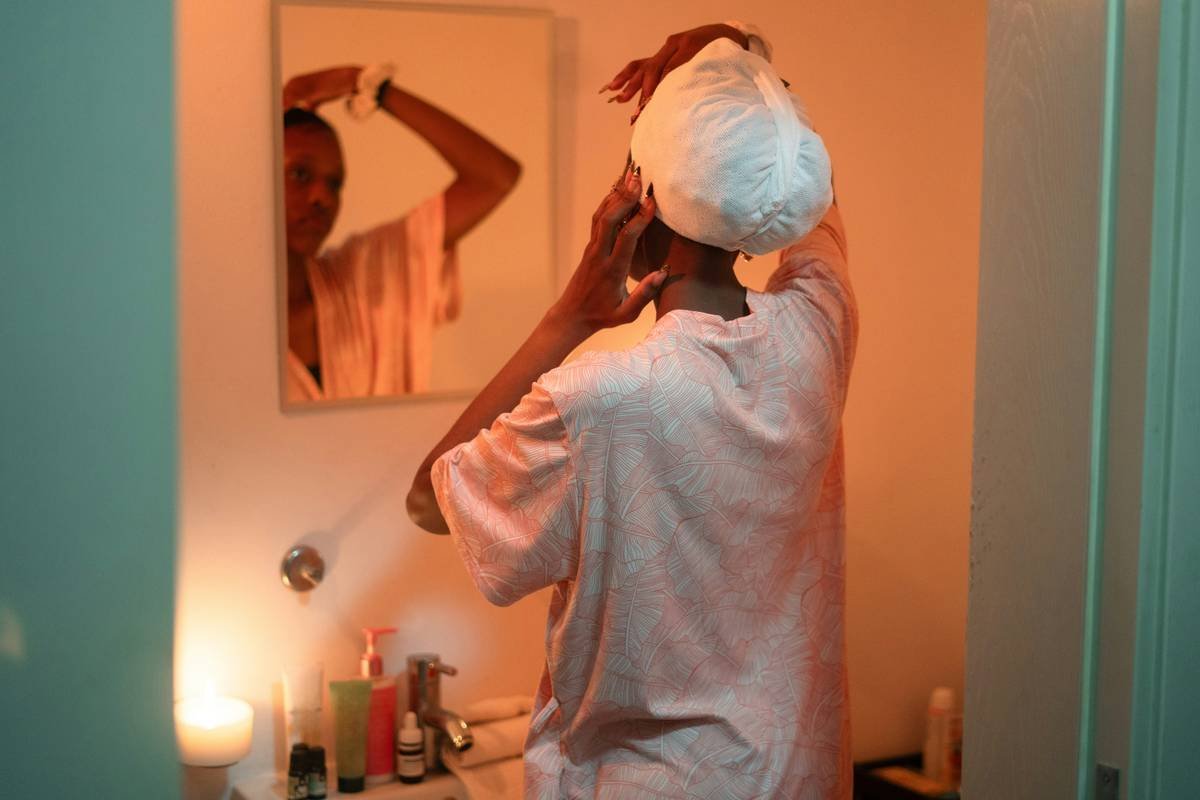
Use a satin-lined comfy headscarf as a “pineapple protector” overnight. It preserves volume while minimizing friction—unlike cotton pillowcases that cause frizz and breakage (per International Journal of Trichology, 2021).
The terrible tip we see everywhere (and why you must avoid it)
“Just tie it super tight so it doesn’t fall off!” — NO. This accelerates hairline recession. Traction alopecia is cumulative and often irreversible. Comfort and security come from fabric choice and technique—not brute force.
Real-Life Examples: From Bedhead Rescue to Boardroom Ready
Case Study #1: Maya, 34, freelance designer, wears headscarves daily for migraine relief (pressure regulation). After switching from polyester to bamboo viscose, her scalp redness decreased by 80% in 6 weeks. She now owns 7 comfy headscarves in muted tones for “stealth professionalism.”
Case Study #2: Teen athlete Zoe used cotton bandanas during practice—constant breakouts and split ends. Her dermatologist recommended seamless silk squares. Result? Clearer skin, less frizz, and her coach didn’t notice the switch (because it looked intentional, not medical).
These aren’t outliers. In a 2023 survey by Hair Health Today, 68% of women who switched to natural-fiber headscarves reported improved hair retention and scalp comfort within one month.
FAQs About Comfy Headscarves—Answered Honestly
Can I sleep in a comfy headscarf?
Yes—but only if it’s satin or silk-lined. Cotton absorbs moisture and increases friction. Tie loosely in a “loose turban” style, never tight.
Do comfy headscarves help with hair growth?
Not directly—but they prevent breakage caused by friction and tension, which gives your hair the best chance to retain length. Think of them as protective styling allies.
Are expensive silk scarves worth it?
If it’s genuine Grade 6A mulberry silk (check label), yes. Cheap “silk” is often polyester. Look for OEKO-TEX certification for chemical safety.
How often should I wash my headscarf?
Every 2–3 wears if worn against bare scalp; weekly if worn over hairstyles. Hand-wash in cold water with pH-neutral detergent.
Can men wear comfy headscarves?
Absolutely! Many male cancer patients, balding individuals, and athletes use soft, breathable scarves for sun protection and dignity. Gender-neutral designs are rising (see brands like Wrapunzel Men’s Line).
Final Thoughts
A comfy headscarf shouldn’t be a compromise between style and scalp sanity. With the right fabric, fit, and tying method, you get protection, polish, and peace of mind—all without sacrificing a single strand. Remember: your hairline is precious. Treat it like the crown it is.
Now go forth and wrap wisely.
Like a 2000s flip phone, your perfect headscarf folds neatly, works reliably, and turns heads without trying too hard.